Choosing TATHAGAT AGRO EXPORTS is More Than A Business Decision— It is A Strategic Partnership For Global Success. With Proven Expertise, A Growing International Footprint, And An Unwavering Commitment To Quality And Reliability, We Empower Our Partn...
- (+91) 9890097555
- info@tathagatagroexports.com
- 201 A Wing, Bagmar Estate, Railway Station Road,, Near Golf Course, Niphad, Maharashtra, India. 422303
© 2020 TATHAGAT AGRO EXPORTS. All Rights Reserved


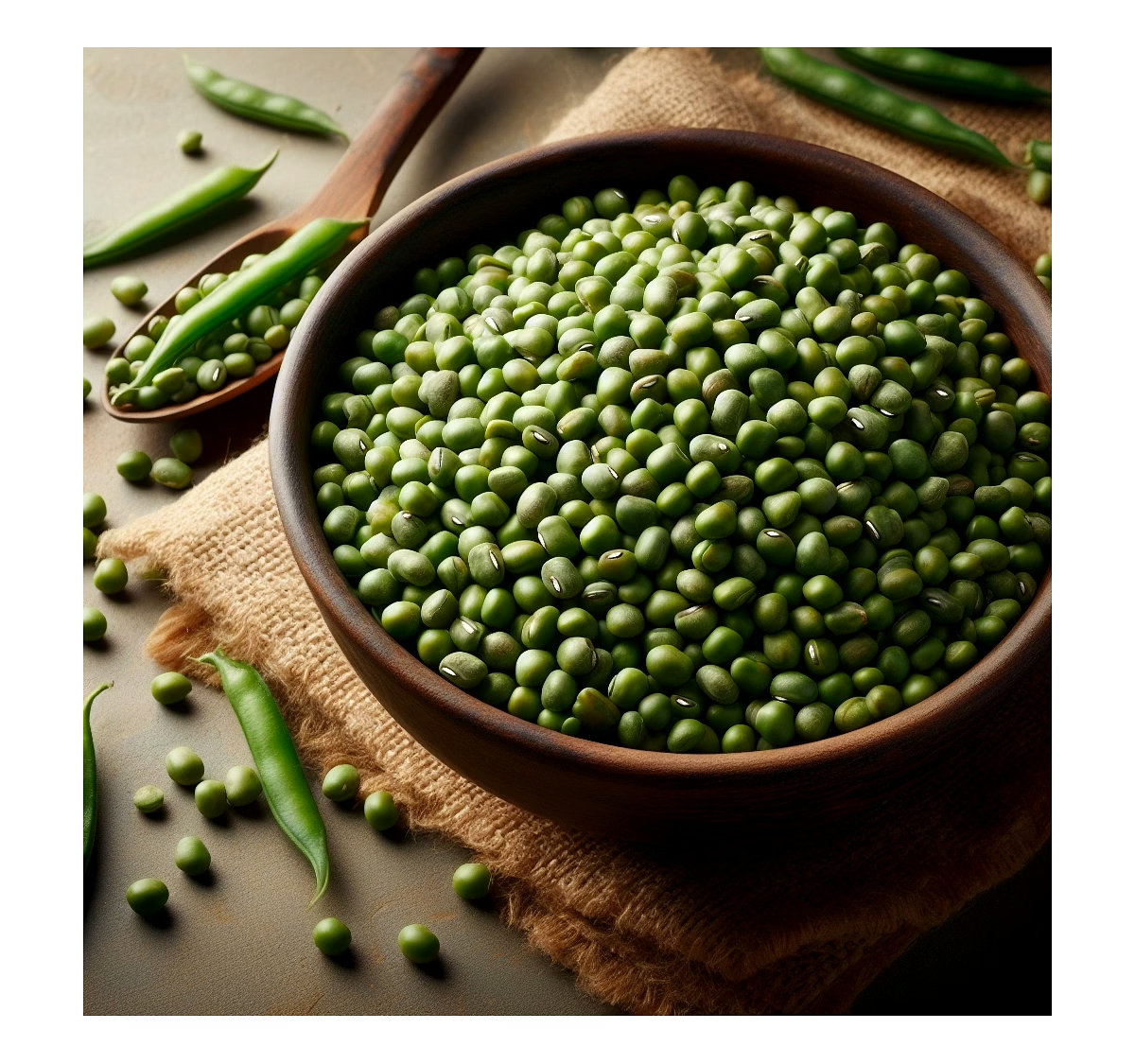
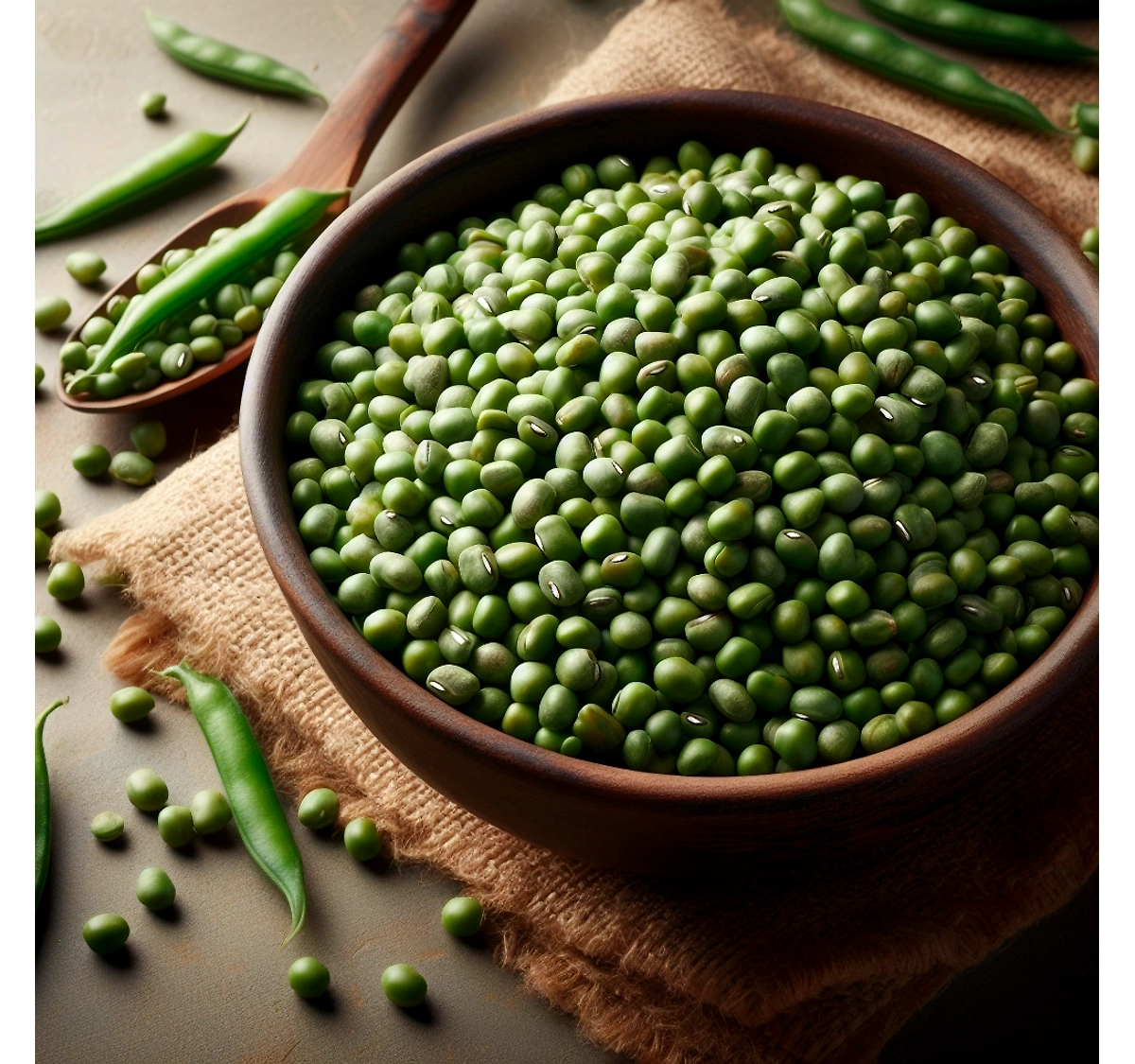
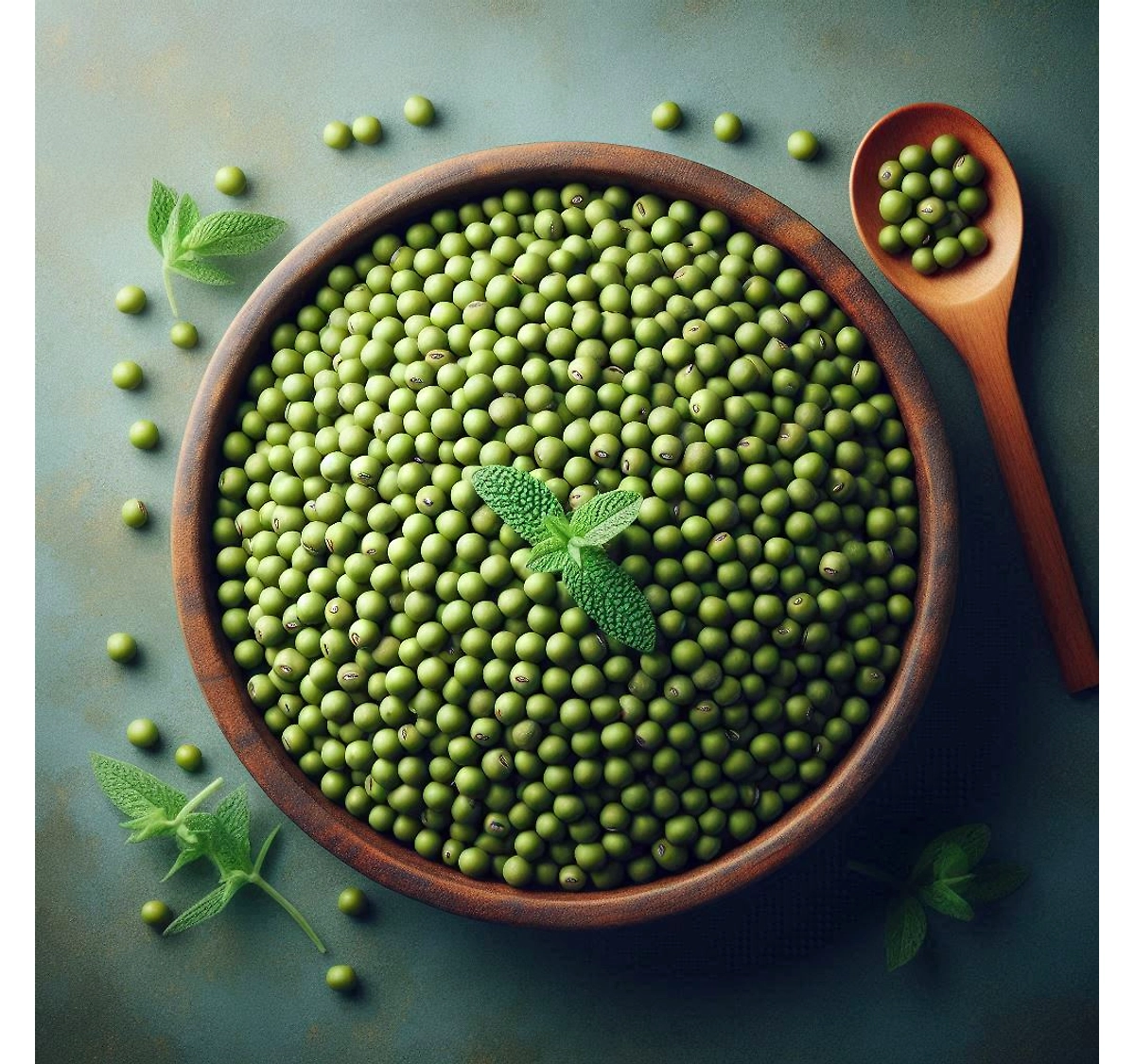

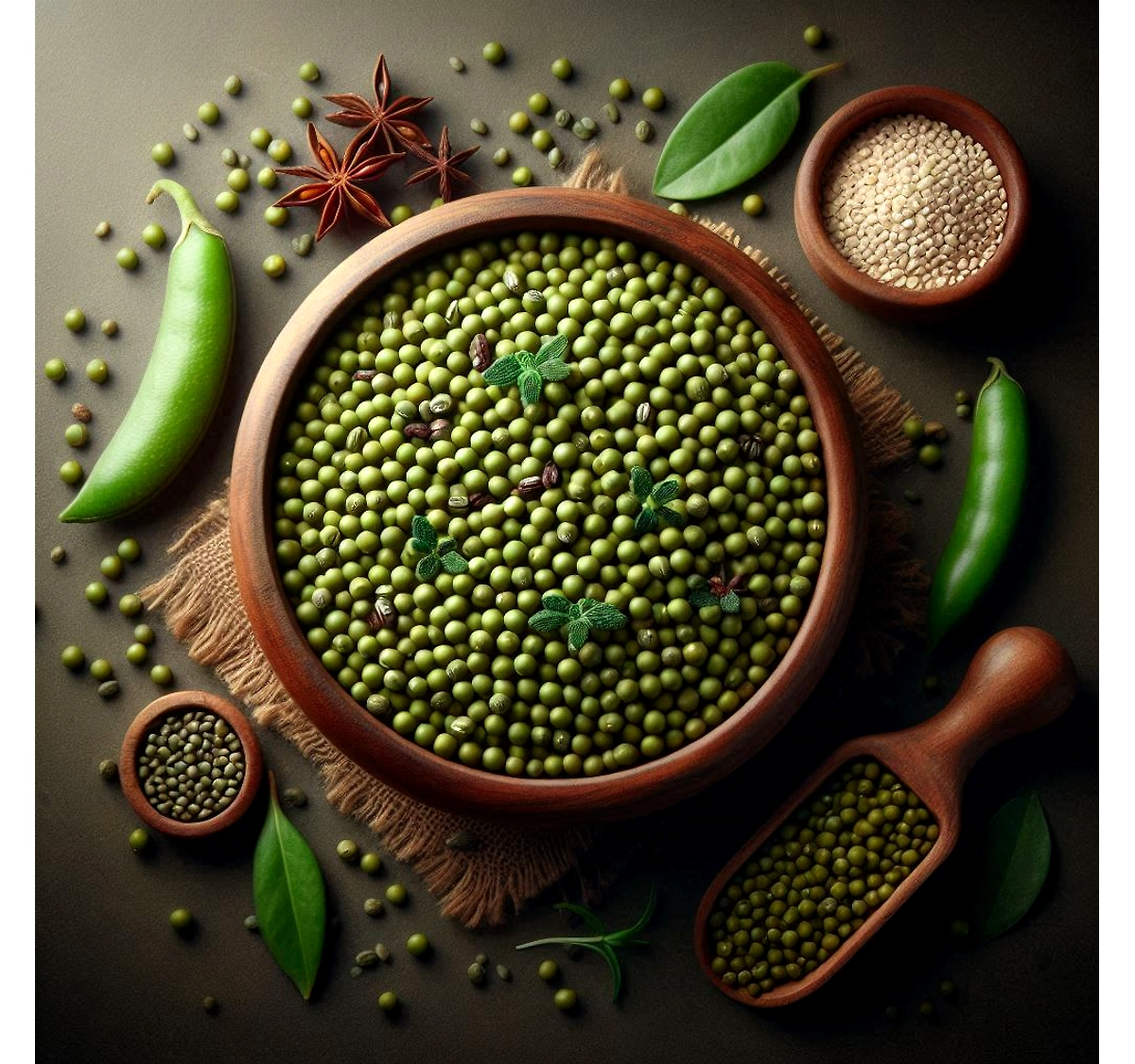
Green Moong
-
Product is not available
Minimum Order Quantity:1
Accept Small Orders: No
Country Of Origin : India
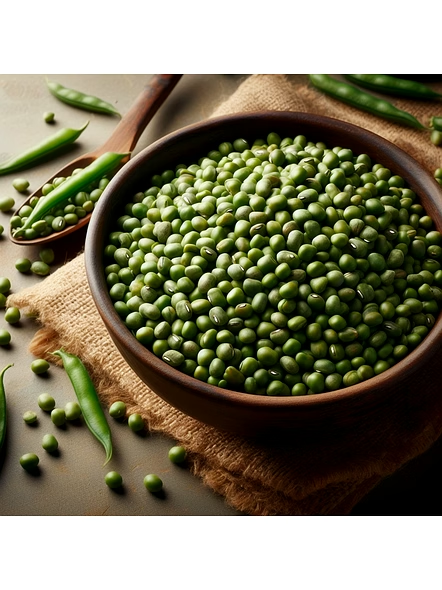
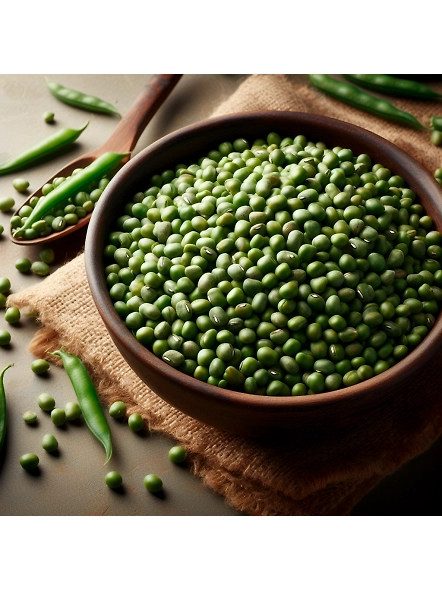
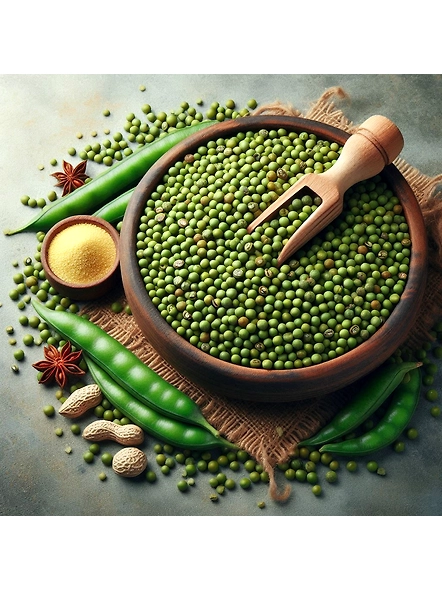
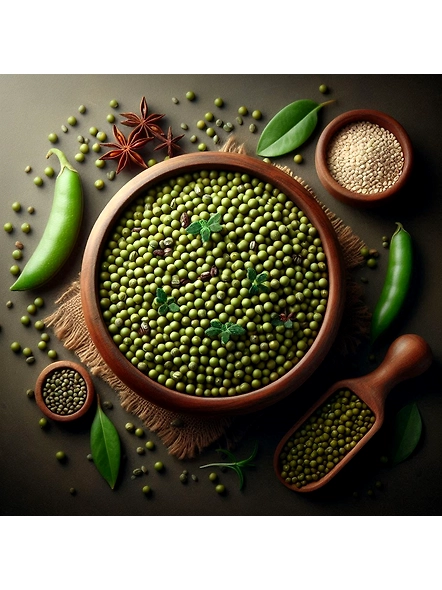
Green Moong, also known as Green Gram or Mung Beans, is a type of pulse commonly used in various cuisines, especially in Asian cooking. Green Moong Beans are a highly nutritious, versatile, and culturally significant legume used in a variety of culinary preparations worldwide.
-
Additional Information
Key Attributes of Green Moong:- Appearance: Green Moong is small, oval-shaped, and green in color when whole. When split and dehusked, it becomes yellow and is known as yellow Moong Dal.
- Nutritional Profile: It's a good source of plant-based protein, dietary fiber, vitamins (such as Vitamin B complex and Vitamin C), minerals (like potassium, magnesium, and iron), and antioxidants. It's low in fat and relatively easy to digest.
- Culinary Versatility: Green Moong is used in various dishes such as soups, stews, curries, salads, and stir-fries. It's commonly used in Indian cuisine for making dals, sprouts, savory snacks, and sweet dishes.
- Texture and Flavor: When cooked, Green Moong has a tender texture and a mild, earthy flavor. It pairs well with various spices and ingredients in diverse dishes.
- Health Benefits: It's considered highly nutritious, aiding digestion, supporting weight management, and providing essential nutrients necessary for overall well-being.
- Sprouting: Green Moong beans are often sprouted, which enhances their nutritional value, making them a popular addition to salads and healthy snacks.
- Cultural Significance: Green Moong holds cultural importance in Asian cuisine, especially in Indian, Chinese, and Southeast Asian cooking, featuring prominently in various traditional dishes.